
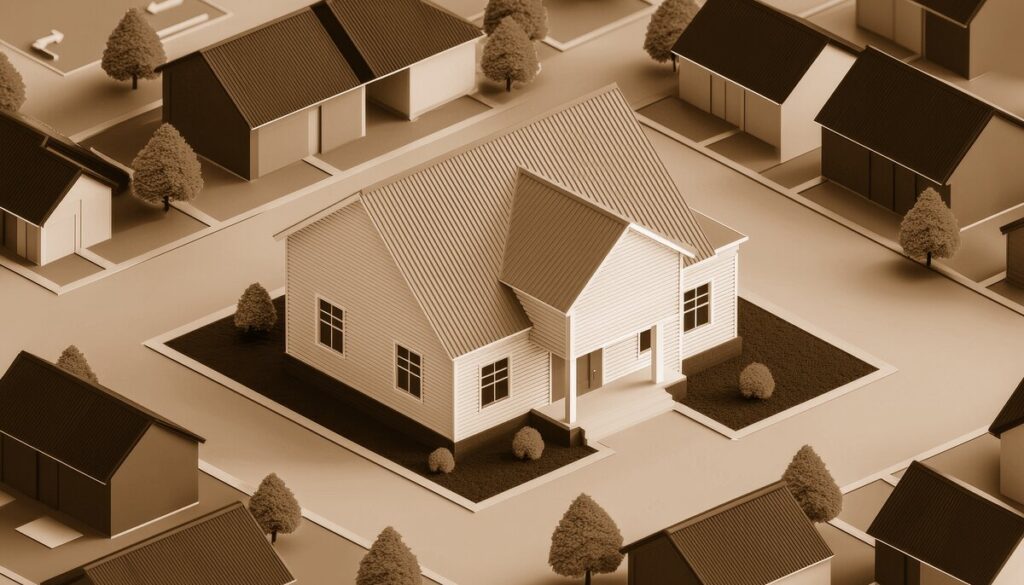
Nestled atop one of Conshohocken’s highest rises, Leeland Heights is a neighborhood that brims with character, old-town charm, and unwavering community pride. While its elevated streets—like Leeland Avenue, Maple Street, and West 10th Avenue—may offer sweeping views of the Schuylkill River Valley, it’s the rich history underfoot that gives the neighborhood its true distinction.
Origins: From Farmland to Family Homes
Leeland Heights was once part of the patchwork of farmland that blanketed the rolling hills west of old Conshohocken borough. In the late 19th century, as the borough’s industries flourished along the river and railroad, the growing workforce sought housing options away from the noise and bustle of the mills. Local landowners began subdividing parcels atop "the heights," a colloquial name locals gave the elevated terrain north of Elm Street.
The Leeland family, who lent the neighborhood its name, were one such landowning clan. The story goes that James Leeland, an enterprising farmer and civic booster, envisioned a streetcar suburb for working families and began laying out plots along what is today Leeland Avenue and its cross-streets. By the turn of the 20th century, Leeland Heights was bustling with modest twin homes and single-family residences—many still boasting the original stonework and welcoming front porches.
How Leeland Heights Got Its Name
The genesis of the name “Leeland Heights” is both practical and personal. The heights refer to its elevation—a prized vantage above the valley’s periodic flooding and the smog that once drifted up from the factories below. The "Leeland" portion is a testament to the lasting legacy of the Leeland family, who not only spurred residential development but also played a hand in founding local civic associations that still enrich community life today.
Key Historical Milestones
Leeland Heights may be a quiet residential enclave, but history has left its fingerprints on every corner. Among its most notable milestones:
- 1903: The first trolley tracks extend up Maple Street, connecting Leeland Heights to downtown Conshohocken and beyond. This development opens the neighborhood to a new wave of residents.
- 1926: Construction of Leeland Heights Elementary School (later renamed Maple Street School), which became a beloved local institution for decades.
- 1940s–1950s: Post-war housing booms fill in vacant lots, leading to the familiar close-knit streetscapes seen today, with their patchwork of Craftsman and Colonial Revival homes.
- 1975: Formation of the Leeland Heights Community Association, which to this day organizes neighborhood events, park clean-ups, and holiday parades.
Notable Landmarks and Institutions
Although Leeland Heights is primarily residential, it is sprinkled with landmarks that speak to its storied past:
- Maple Street Park: Once the Leeland farmland’s orchard, this leafy park now offers playgrounds, basketball courts, and shady benches where grandparents watch their grandchildren play.
- Maple Street School Building: While no longer a school, this sturdy brick structure now houses a vibrant community center, hosting everything from yoga classes to local history lectures.
- St. Luke’s Chapel: This small, stone church on West 10th Avenue has served as a quiet spiritual home since 1922, welcoming parishioners with its original stained-glass windows.
Evolution Through the Decades
Ask any longtime resident, and you’ll hear how Leeland Heights preserves a delicate balance between change and tradition. In the 1970s and ’80s, younger families moved into homes that once belonged to their grandparents. Today, those same houses may be home to new arrivals, drawn by the neighborhood’s peaceful sidewalks and close proximity to Conshohocken’s resurging downtown.
Recent decades have seen smart renovations blend with the area’s historic character. The Community Association works tirelessly to promote period-appropriate renovations, helping guide residents as they update century-old homes with modern conveniences while retaining original features like slate roofs and woodwork.
Meanwhile, traditions remain strong:
- The Maple Street Block Party—an annual event since the 1980s—still brings neighbors together every spring.
- Local kids bicycle down the gentle slope of Leeland Avenue, just as their parents did.
- Friday-night pick-up basketball games at Maple Street Park have become a rite of passage.
The Enduring Spirit of Leeland Heights
What truly sets this neighborhood apart is its spirit—a willingness to look out for one another, to greet each passerby with a wave, to rally for community causes both big and small. Long after the trolleys have disappeared and the school bells have quieted, the sense of belonging in Leeland Heights has only deepened.
Preserving history isn't just about buildings and monuments. It's about the stories told on porches, the recipes handed down over generations, and the quiet pride felt in stewarding a place that means so much to so many. Leeland Heights is a living testament to the idea that while landscapes may evolve, a neighborhood’s heart endures.
So, next time you stroll along Maple Street under a canopy of century-old oaks, take a moment to imagine the farmers, factory workers, teachers, and children who shaped this special corner of Conshohocken. Meet a neighbor, share a story, and you’ll find yourself not just passing through Leeland Heights, but becoming part of its ongoing history.